

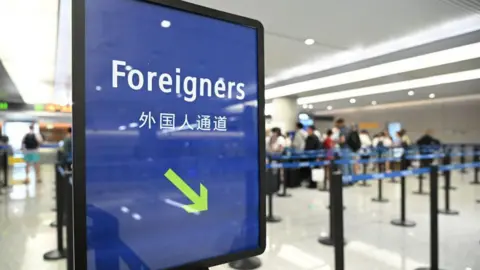
At first disclosed in the eighth month, the fresh visa scheme aimed at foreign science professionals garnered minimal broad notice.
Nevertheless the K visa, which became active this mid-week, abruptly attracted substantial scrutiny after being compared to the American H-1B program by international publications.
This parallel sparked broad anxiety among domestic citizens, with many doubting whether advantages given to international professionals would increase competition in an presently sluggish employment market.
"We have numerous bachelor's degree holders, including further with master's and doctoral degrees. We already have a excess of domestic experts - and now authorities are introducing foreign college alumni?"
"There have been multiple latest initiatives urging our university youth to contend with each other, but finally, nothing beats a foreign citizenship," a different social media participant commented.

Other commenters raised questions about whether the government could recruit top-tier talent and whether foreigners would adapt to life in the nation, mentioning communication challenges and the nation's closely monitored governmental environment.
This opposition turned out so intense that official media sources have stepped in to seek to reassure the public sentiment.
Earlier this week, several state-run media outlets released commentaries advocating the program as an opportunity "internationally to witness a increasingly accessible and optimistic nation in its new era."
Explaining the K visa?
While detailed information remain unclear, the officials has clarified that the initiative targets professionals working in STEM disciplines.
Authorities have characterized it as a entry permit for "cooperation related to academics, science and innovation, cultural activities, as well as business creation and economic activities."
Based on regulatory announcements, potential recipients for the K visa should be those "who have graduated from reputable colleges or academic organizations in the nation or abroad with a bachelor's or more advanced credential in a technical or scientific field."
Notably, overseas specialists will not require backing from a local company to be approved for the document - and will benefit from more freedom in terms of the number of entries, validity period and term of visit.

Official media, while seeking to alleviate public unease, have avoided clarifying the precise extent of activities the program includes, leaving unanswered the fundamental inquiry that is definitely on the consideration of countless - will it allow qualified international professionals to work in the country?
Through latest commentaries, government-affiliated media have pointed out that the new program would not be the same as an US work visa, indicating that it was "more than just a work permit."
This scheme constitutes just the newest move in the country's wider effort to attract international visitors to the country - whether for tourism, scientific study or business activities.
The nation's ambitions and challenges
Evidently is that the country is capturing the chance as the United States retreats from its status as a leading destination for international professionals and tourists.
The public launch of the entry scheme - though the schedule was set 60 days ago - coincides with recent modifications to US visa rules, a decision that has sparked controversy in countries that are significant contributors of skilled employees to the US.
As of July, the country had visa exemption treaties with seventy-five states to make visiting the country simpler for international visitors.
"While when some nations are adopting protectionist policies and restricting foreign talent, the nation has keenly taken this crucial opportunity and rapidly introduced appropriate measures," a official article reads.
However the program is not without its limitations, experts note.
The online criticism reflects a pattern of public examination and objection in the country over what is perceived as special handling for international individuals, based on sector observers.
Language forms another challenge. Numerous academics and professors who have moved to the nation in the past few years are ethnic Chinese and {fluent|proficient|


