
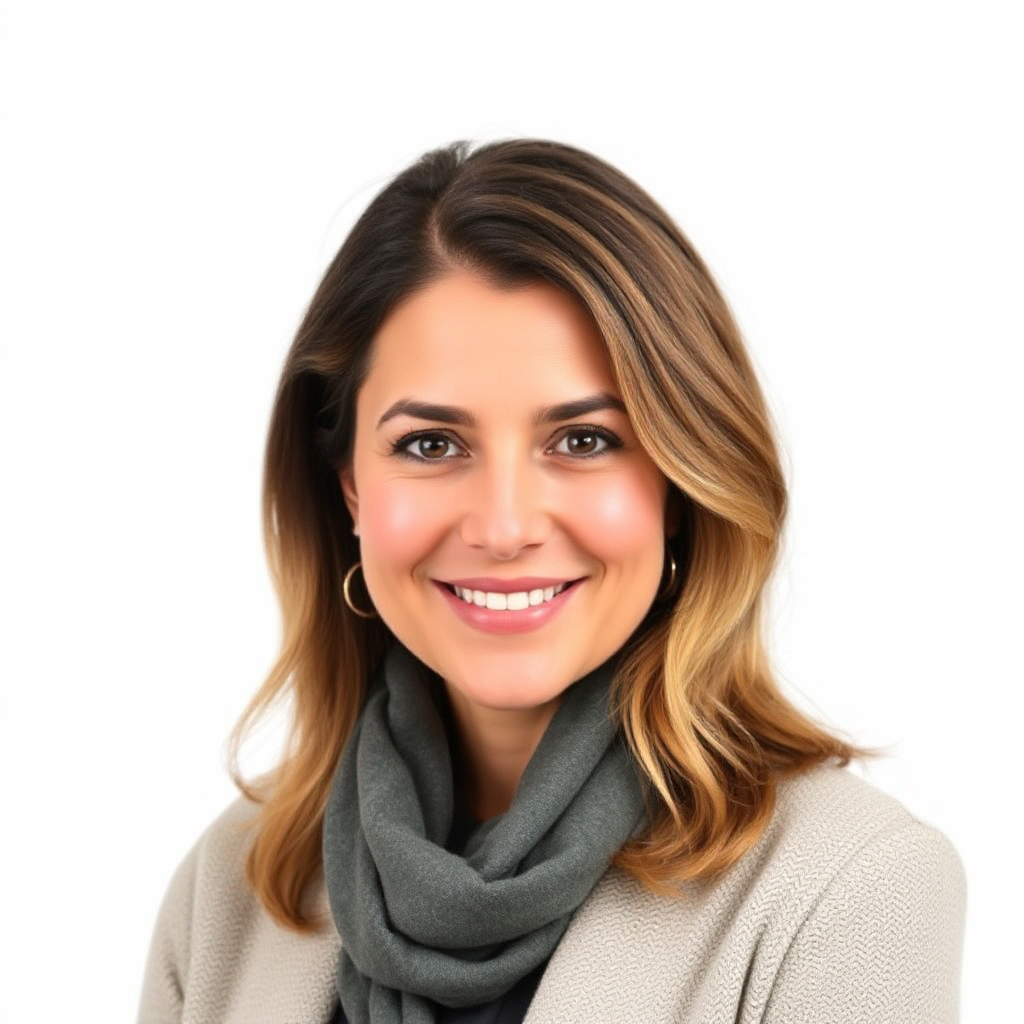
On occasion, a nurse named Lorna is met with a sudden dial tone. Frequently, she has to listen to various far-fetched false claims and, in a particular instance, she has a memory of being shouted at.
"It's certain there will be ones like that, who just don't want to hear, and it seems as though you haven't succeeded."
Yet, this comprises the routine duties for Lorna. She's been calling families whose children have missed out on measles, mumps and rubella (MMR) vaccinations to persuade them to receive the jab. Suboptimal immunization levels mean the illness has found room to circulate in the city, predominantly in children younger than ten.
A Proactive Response
Lorna's been here before - she was involved with a unit of health service staff that completed thousands of telephone contacts in a mere 90-day period after a surge in measles cases in late 2023 impacted numerous youngsters. These conversations alone led close to a thousand once reluctant families and youth to opt for vaccination.
In north London, which is currently experiencing a measles surge, authorities are examining strategies from Birmingham for approaches to manage the situation. Five dozen cases have been reported up to now, mostly in toddlers, some of whom have been admitted to hospital.
Leveraging Veteran Staff
During Birmingham's 2023 outbreak, some ex-healthcare workers were recalled from retirement, like they had been. This time though, as opposed to vaccinating people, they were tasked with convincing people to get them.
The unit was assigned placing follow-up calls to parents and patients in the under-25 bracket to talk about their hesitancy receiving the immunization against a disease that can have severe outcomes - such as meningitis or sight loss and, infrequently, death.
Currently, Lorna, the clinical lead for immunization services, and a group of nurse specialists have been recruited to bash the phones again as there is another uptick in measles.
Navigating Difficult Conversations
This is challenging work. It takes a certain kind of approach which involves attentive listening and seeking to appreciate the caller.
"When I understand their point of view, I can then respond to their concerns," says Lorna. "Occasionally they are receptive, and often they declare they are finished talking."
"It's not about being a demanding nurse."
When individuals are willing to keep discussing, Lorna believes she can then tackle their fears or worries about the vaccine and aid in reducing them.
Guidelines and Assistance
A policy limits calls to three attempts. A further protocol discourages message-leaving in case they can't be understood. Colleagues who speak a range of tongues, like French, Italian, Arabic, or Urdu, can help with making calls when English isn't a person's first language.
Complementing the telephone campaign, the collaborative outbreak team also runs an public awareness drive and connects to local community groups.
Tangible Results
The citywide effort has had a significant effect. Over the course of 2024, an extra 7,000 vaccinations were carried out – and the complete tally of doses was a fifth higher than the prior period.
Notably, there had been lower vaccine uptake among particular demographic groups, such as Roma, Eastern European, South Asian, and Black communities.
Linguistic challenges were met by expanding the resources available in various tongues, utilizing QR code technology that lead to explanatory videos detailing the advantages, in conjunction with conventional billboard advertising.
Doctors' Surgeries Adapt
Several general practitioner practices have also started doing their own call-and-recall work. An example is Hall Green Health, which has gone further by offering GP appointments to uncertain guardians so they can address their questions face to face with a doctor.
"In my view, society has become lax about the true severity of measles," explains Dr. Sonia Ashraf.
She notes there exist several elements that cause hesitancy. The use of pork-derived gelatine is one thing they see, yet this can be simply addressed by providing the alternative of the jab that is gelatine-free.
Long-refuted data from the 1990s falsely associating MMR with autism also gets brought up, while many families are anxious about the number of routine vaccines given to youngsters. By the age of four, they will have been offered immunization on half a dozen occasions.
"Many families ask the necessity for numerous vaccines or think that their children are healthy enough these diseases," notes the doctor. "We spend time going through the evidence with them – there is a lot of misinformation out there."
Budgetary Limits and What's Next
The proactive calling system has since been offered to other GP practices. Yet, owing to financial constraints, it is something that can only be done in a constrained manner. Recently, uptake figures dropped back to previous benchmarks, leaving the city still well below the 95 percent target needed for community protection.
Even with periodic rises in infection, there has been nowhere near the scale of cases that were seen previously, when diagnoses surpassed five hundred.
Leon Mallett, says the call-and-recall model "is really effective" but "not a perfect solution" and needs to be combined with other strategies. In an ideal scenario, he notes it would be implemented more broadly but more resources are necessary.
Existing monetary allocation for the initiative is secured until the end of this financial year.
Countrywide Challenges
This strategy isn't unique to implement this method. Various other regions have experimented with comparable approaches.
Yet, moving the needle across the nation has remained a struggle. Right now, fewer than 85% of children have had two doses by the age of five.
"It poses a significant problem," says an expert. "The reasons for not getting vaccinated are multifaceted and varied. One thing that often gets overlooked is accessibility. For


